

Key takeaways
- Understanding the importance of a positive work environment for employee satisfaction and retention
- Effective strategies to enhance company culture and promote work-life balance
- The critical role of leadership in fostering a supportive workplace
- Utilizing anonymous employee feedback and sentiment analysis for data-driven improvements
- Best practices for recognition, conflict resolution, and promoting diversity and inclusion
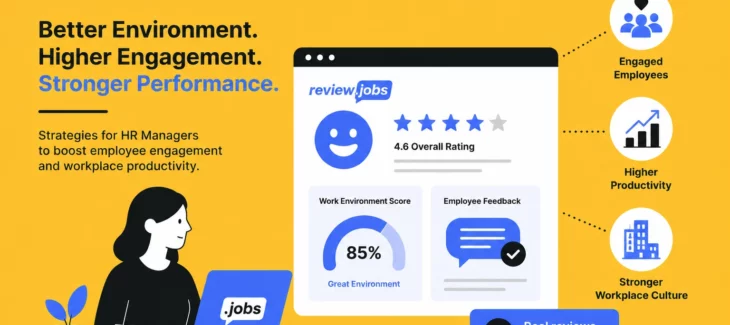
How to improve work environment is a question that many HR professionals grapple with as it directly impacts employee engagement, retention, and overall workplace productivity. The work environment encompasses the physical, cultural, and emotional conditions where employees carry out their tasks, influencing job satisfaction and company success. Review.jobs offers an innovative platform empowering HR managers with authentic employee feedback and actionable workplace insights to drive meaningful improvements. This article presents practical strategies and tools designed specifically for HR managers to build a positive work atmosphere, foster inclusive company culture, encourage professional growth, and leverage data for continuous enhancements.
Understanding the importance of a positive work environment
A positive work environment significantly influences employee satisfaction, motivation, and retention rates. Creating a space where employees feel valued, safe, and supported enhances workplace productivity and promotes a thriving workforce. When employees enjoy their work environment, absenteeism reduces, and performance levels rise consistently.
Employer brand reputation is closely linked to the quality of the work environment. Organizations known for nurturing positive company culture attract top talent and maintain strong public employer profiles, fueling recruitment efforts and social media sharing advantages.
Conversely, negative work environments often lead to high employee turnover and diminished morale. Toxic atmospheres cause disengagement and hurt the employer brand reputation, making it challenging for HR managers to keep skilled workers and improve overall team collaboration.
Building a strong and inclusive company culture
Establishing a strong and inclusive company culture lays the foundation for a positive work environment. It involves embracing diversity and inclusion initiatives that promote respect and equity among employees from all backgrounds. Fostering inclusivity supports psychological safety, encouraging open communication and authentic employee feedback collection.
Company culture reflects core values and shared behaviors that define the workplace atmosphere. HR managers can embed these values through regular training, transparent workplace communication, and leadership support focused on equity and respect. This culture becomes a driving force behind employee engagement and retention.
Active efforts such as team-building activities and social events enhance interpersonal relationships and create a sense of community. These initiatives foster collaboration and improve workplace morale, contributing to sustained productivity improvements.
Role of leadership in improving the work environment
Leadership plays a pivotal role in shaping the work environment by modeling positive behaviors and reinforcing company values. Leaders who demonstrate empathy, transparency, and ethical decision-making foster trust and inspire employees to engage fully with their roles.
Providing leadership support involves investing in employee development through coaching, mentoring, and career advancement programs. This tangible commitment boosts morale and encourages professional growth, which in turn reduces employee turnover.
Equipping leaders with emotional intelligence and soft skills training enables them to navigate workplace challenges effectively. Enhancing conflict resolution capabilities and communication skills aids in maintaining a supportive, productive environment.
Enhancing employee engagement through recognition and professional growth
Employee recognition is a powerful tool to motivate and retain staff. Techniques that acknowledge individual and team accomplishments, such as awards, public praise, or incentive programs, reinforce a positive work environment and fuel employee satisfaction.
Facilitating career development opportunities aligns with employees’ aspirations and fosters long-term commitment. Offering training sessions, skill-building workshops, and clear pathways for advancement strengthens employee loyalty and raises workplace productivity.
Linking engagement initiatives directly to business objectives creates data-driven decision making that optimizes resource allocation and enhances overall organizational performance.
Creating a comfortable and safe physical workspace
The physical workspace profoundly impacts employee wellbeing and productivity. Ergonomic workspace design reduces strain and injury, fostering comfort and focus throughout the workday. Adjustable chairs, proper lighting, and well-designed layouts prevent fatigue and promote healthier work habits.
Workplace safety measures, including clear protocols and hazard prevention, contribute to employee confidence in their environment. Ensuring compliance with safety standards decreases accidents and minimizes disruptions.
Integrating mental health support and resources, such as counseling services and stress management programs, addresses holistic employee wellbeing and supports a healthier workplace culture.
- Ergonomic chairs and adjustable desks
- Adequate natural and artificial lighting
- Clear safety protocols and emergency procedures
- Quiet spaces and areas for breaks
- Mental health resources and wellness programs
Collecting and utilizing employee feedback effectively
Gathering authentic employee feedback is essential to identifying workplace issues and recognizing successful initiatives. Implementing anonymous feedback tools encourages honesty and reduces fear of repercussions, improving the reliability of collected data.
Sentiment analysis and automated review moderation technologies facilitate centralized review management, allowing HR managers to monitor trends and detect emerging concerns rapidly. This data-driven approach enables timely interventions and strategic planning.
Transparent communication about feedback outcomes builds trust and encourages ongoing participation, reinforcing a culture of openness and continuous improvement.
Managing workplace conflicts and enhancing team collaboration
Proactive conflict resolution strategies help prevent minor disputes from escalating and affecting team dynamics. Encouraging open dialogue and mediating tensions nurture a respectful environment where differences are valued.
Organizing team-building activities strengthens relationships, improves interpersonal understanding, and fosters camaraderie. Such efforts enhance teamwork and create shared goals that elevate workplace productivity.
Improving workplace communication through training and digital collaboration tools ensures seamless interactions and reduces misunderstandings, supporting efficient operations and cohesive project delivery.
- Implement mediation and conflict resolution training
- Schedule regular team-building events
- Use collaborative software for project tracking
- Promote transparent and responsive communication channels
Frequently asked questions
What can be done to improve the work environment?
Improving the work environment involves creating a positive and inclusive culture, ensuring physical comfort and safety, providing flexible work arrangements, and implementing regular employee recognition and professional growth opportunities.
How can company culture be improved to enhance the work environment?
Company culture improves by promoting diversity and inclusion, facilitating open communication, supporting leadership development, and organizing team-building activities that build trust and collaboration.
What role does leadership play in improving the work environment?
Leadership sets the tone by modeling company values, providing emotional intelligence training, supporting employee development, and fostering transparent communication to build trust and engagement.
How can employee feedback be collected and used effectively?
Effective feedback collection involves anonymous surveys, sentiment analysis, and centralized review management to gather genuine insights used for data-driven workplace improvements.
What are some ways to promote work-life balance at work?
Promoting work-life balance includes offering flexible work arrangements, remote work options, encouraging regular breaks, and supporting wellness programs that address mental health.
How does flexible working contribute to a better work environment?
Flexible working arrangements improve employee well-being by accommodating diverse needs, reducing burnout, increasing job satisfaction, and ultimately enhancing workplace productivity.
What are best practices for recognizing and appreciating employees?
Best practices involve timely and specific recognition, a mix of public and private praise, reward programs, and consistent acknowledgment to motivate and retain employees.
How can workplace conflicts be managed to improve the work environment?
Managing conflicts requires proactive resolution strategies, mediation training, fostering open communication, and creating a safe space for addressing grievances constructively.
Why is diversity and inclusion important in the workplace?
Diversity and inclusion create respectful and equitable environments that enhance creativity, employee engagement, and organizational reputation.
What are effective strategies for boosting employee engagement?
Effective strategies include meaningful recognition, professional growth opportunities, transparent communication, and fostering a supportive leadership culture.
How can mental health support be integrated into the workplace?
Mental health support can be integrated through counseling services, wellness programs, training managers to recognize mental health needs, and providing resources for stress management.
What impact does the physical workspace have on employee productivity?
A well-designed physical workspace enhances productivity by reducing discomfort and distractions, promoting safety, and supporting mental health through ergonomics and wellness initiatives.
Final thoughts
For HR managers aiming to improve the work environment, focusing on positive company culture, leadership excellence, effective feedback mechanisms, and physical workplace wellbeing yields tangible benefits. These strategies not only enhance employee engagement and retention but also elevate employer brand reputation. Utilizing innovative platforms like Review.jobs empowers HR professionals to access authentic employee insights and implement data-driven improvements for a healthier, more productive workplace.