

Key takeaways
- Understand what an HR analytics dashboard is and its critical role in modern HR management
- Learn the different types of HR dashboards and how to choose the right one for your organization
- Identify the key HR metrics and KPIs to track for effective workforce management
- Explore integration methods to consolidate multiple HR data sources into one centralized dashboard
- Discover best practices, visualization tools, and advanced analytics like predictive analysis for actionable insights
An hr analytics dashboard has become an indispensable tool for strategic HR leaders seeking to leverage workforce data for impactful decision-making. This dynamic platform provides a unified view of vital HR metrics that shed light on employee performance, engagement, and retention trends. At Review.jobs, we facilitate the integration of authentic employee data into these dashboards, enabling organizations to harness genuine insights from anonymous employee reviews alongside traditional metrics. This guide delves into the essential components of hr analytics dashboards, including the types of dashboards available, key metrics to monitor, practical integration strategies, and the transformative role of AI-driven analytics. Whether refining workforce planning or enhancing employer brand reputation, mastering these dashboards empowers HR professionals to shape data-driven strategies with confidence and clarity.
Understanding hr analytics dashboards
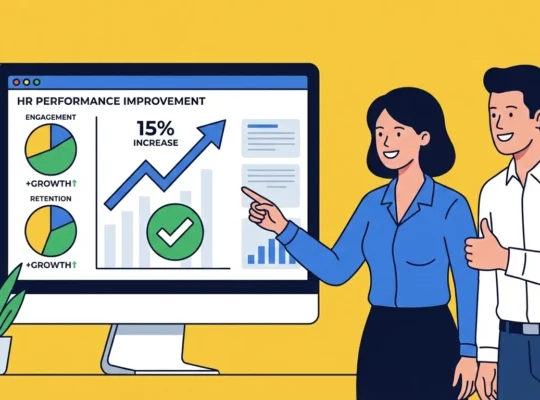
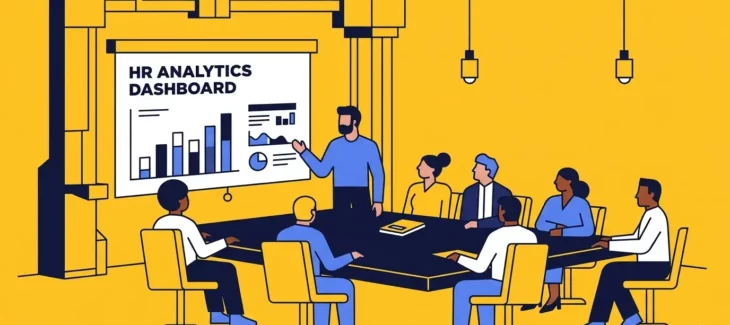
An hr analytics dashboard serves as a centralized platform designed to collect, visualize, and analyze human resources data, transforming complex datasets into actionable insights. Its primary purpose is to provide HR leaders with an intuitive interface where key people analytics can be monitored in real time, enabling quick responses to workforce challenges and opportunities.
Key functionalities of these dashboards often include customizable HR data visualization elements such as charts, graphs, and heat maps, which facilitate the interpretation of metrics like employee turnover rate and time to hire. Beyond mere reporting, hr analytics dashboards empower HR teams to perform trend analysis and sentiment analysis in HR, offering a multidimensional understanding of workforce dynamics.
By turning raw HR data into meaningful insights, dashboards support strategic workforce planning and operational improvements. This capability enhances decision-making processes by highlighting patterns, revealing areas of concern, and identifying actionable opportunities that align with broader business goals.
Types of hr analytics dashboards
Different hr analytics dashboards cater to varying organizational needs, broadly categorized into strategic, operational, analytical, and tactical dashboards. A strategic HR dashboard focuses on long-term workforce goals, tracking metrics that measure overall HR performance and workforce planning outcomes.
Operational HR dashboards concentrate on day-to-day HR activities, such as monitoring recruitment pipelines and onboarding progress. Analytical dashboards delve deeper, leveraging advanced analytics like predictive HR analytics and machine learning HR techniques to forecast trends and identify potential risks.
Tactical dashboards provide middle management with detailed insights on departmental HR functions, supporting immediate team-level decisions. Choosing the appropriate dashboard type depends on the company’s size, industry, and specific HR priorities.
Key hr metrics to track in your dashboard
Tracking the right HR metrics is crucial for gaining a holistic view of workforce health. Core indicators typically displayed include employee turnover rate, headcount, and absenteeism, each offering perspectives on retention and workforce stability.
Talent acquisition analytics often focus on time to hire, quality of hire, and sourcing efficiency, providing recruitment teams with insights to optimize hiring processes. Employee engagement metrics such as participation in anonymous employee reviews and sentiment scores allow organizations to gauge workplace morale and identify areas for improvement.
Employee performance dashboards capture productivity measures, goal attainment rates, and training effectiveness, aiding in talent management and career development initiatives. The integration of sentiment analysis in HR further enriches these metrics by adding qualitative employee feedback to quantitative data.
- Employee turnover rate
- Headcount and workforce demographics
- Absenteeism and leave patterns
- Time to hire and recruitment funnel metrics
- Employee engagement metrics and sentiment analysis
- Employee performance indicators
Integrating hr data sources for a centralized dashboard
Consolidating HR data from multiple sources poses significant challenges, including data inconsistency, fragmented systems, and security concerns. Effective HRIS integration is essential to unify inputs from payroll systems, talent acquisition software, performance management platforms, and anonymous employee review tools.
Organizations often utilize middleware solutions or APIs to facilitate seamless data exchange, enabling centralized review management and real-time HR reporting. Maintaining data quality involves standardizing formats, cleansing datasets, and establishing validation protocols to ensure accuracy and reliability.
Given the sensitivity of HR information, robust HR data security measures are vital. These include encryption, access controls, and compliance with data privacy regulations to protect employee confidentiality throughout data integration processes.
Visualization and analytics features for effective hr dashboards
Visualization features significantly influence the usability of an hr analytics dashboard. Common tools encompass interactive charts, dynamic graphs, heat maps, and drill-down reports, all crafted to present complex data intuitively and facilitate swift interpretation by HR leaders.
Dashboard customization options enable tailoring layouts, KPIs, and visual elements to align with specific organizational goals or user preferences, resulting in a strategic HR dashboard that resonates across departments.
Automation stands out as a key feature, streamlining data collection from various HR systems and enabling review moderation automation to maintain data integrity. Leveraging AI in HR analytics and machine learning HR models enhances these dashboards by providing predictive analytics capabilities, such as forecasting employee turnover or identifying high-potential talent.
Together, these features facilitate a proactive HR approach, turning data into foresight and supporting continuous optimization.
Leveraging hr dashboards for strategic decision making and employer branding
HR dashboards play a central role in advancing strategic workforce planning and talent management by delivering real-time, data-driven insights that guide resource allocation, succession planning, and skills development initiatives.
Effectively using analytics to monitor employee engagement metrics and turnover rates enables organizations to devise targeted retention strategies, ultimately stabilizing the workforce and enhancing productivity.
Moreover, transparent and comprehensive HR reporting through these dashboards contributes to strengthening employer brand reputation. Integrations with social media platforms and centralized review management systems amplify these benefits by facilitating authentic employer brand promotion and reputation monitoring.
Numerous HR dashboard tools incorporate features tailored to employer branding, aiding HR leaders in aligning workforce insights with broader organizational narratives.
Overcoming challenges in implementing hr analytics dashboards
Implementation challenges include addressing concerns around data privacy and ensuring robust HR data security frameworks throughout dashboard deployment. Prioritizing compliance with legal standards and establishing clear governance policies are critical to safeguarding sensitive employee information.
User adoption requires comprehensive training programs and intuitive dashboard design to encourage widespread engagement across HR teams and leadership. Continuous support and feedback mechanisms sustain enthusiasm and improve usability.
Maintaining high-quality data input and enabling real-time HR reporting processes demand ongoing monitoring and technological investments. Employing best design and deployment practices—such as phased rollouts, iterative improvements, and stakeholder involvement—enhances overall success and returns on investment.
Frequently asked questions
What is an HR analytics dashboard?
An HR analytics dashboard is a centralized digital platform that visualizes and analyzes human resources data, enabling HR leaders to make informed, data-driven workforce decisions through real-time reporting and visualization.
What are the different types of HR dashboards?
The four main types of HR dashboards include strategic dashboards for long-term planning, operational dashboards focused on routine HR activities, analytical dashboards employing advanced analytics, and tactical dashboards designed for middle management use.
What are the key HR metrics to track in a dashboard?
Essential HR metrics comprise employee turnover rate, headcount, absenteeism, time to hire, employee engagement metrics, and employee performance indicators, all critical for comprehensive workforce analysis.
How can HR analytics dashboards support decision making?
By presenting real-time, actionable insights through intuitive visualizations, HR analytics dashboards enable timely identification of workforce trends, support predictive analytics, and help align HR strategies with business objectives.
What are the benefits of using HR analytics dashboards?
These dashboards improve data consolidation, enhance the clarity of HR insights, facilitate predictive workforce planning, boost employee engagement assessment, and strengthen employer brand reputation through transparent reporting.
How do HR dashboards integrate with existing HR systems?
Integration typically involves connecting the dashboard to various HRIS platforms and data sources via APIs or middleware solutions, enabling seamless aggregation, real-time updates, and centralized review management.
What visualization features are most effective for HR data?
Effective visualizations include interactive charts, heat maps, graphs, and detailed reports that can be customized and drilled down to reveal deeper insights, all of which facilitate intuitive data interpretation.
How can predictive analytics be applied in HR dashboards?
Predictive analytics utilize historical HR data and machine learning models within dashboards to forecast employee turnover, identify talent gaps, and optimize retention strategies, supporting proactive HR management.
What challenges exist when implementing HR analytics dashboards?
Primary challenges involve ensuring data quality, safeguarding HR data security and privacy, achieving user adoption through training, and managing real-time data integration across diverse systems.
How do HR dashboards contribute to employer branding?
By providing transparent insights into workforce engagement and performance and integrating with social media and anonymous review platforms, HR dashboards help organizations build and promote a trustworthy employer brand.
What role does AI play in HR analytics?
AI enhances HR analytics by enabling predictive modeling, automating data collection and review moderation, and uncovering complex patterns within workforce data that support strategic HR decisions.
How can employee reviews be incorporated into HR analytics?
Incorporating employee reviews involves integrating anonymous review data into dashboards, allowing sentiment analysis and centralized review management to enrich understanding of employee engagement and workplace culture.
What are best practices for designing an HR dashboard?
Best practices include focusing on user-friendly design, clear visualization of key performance indicators, dashboard customization, ensuring data accuracy, and facilitating easy access to real-time data for informed decision-making.
How is data privacy maintained in HR analytics dashboards?
Data privacy is maintained through encryption, strict access controls, compliance with legal frameworks like GDPR, anonymization of sensitive data, and continuous monitoring to prevent unauthorized access or data breaches.
What are the 4 types of HR analytics?
The four types of HR analytics are descriptive analytics (explaining what happened), diagnostic analytics (exploring why it happened), predictive analytics (forecasting what will happen), and prescriptive analytics (recommending actions based on data).
Final thoughts
Leveraging an hr analytics dashboard equips strategic HR leaders with powerful tools to navigate the complexities of workforce management through precise, data-driven insights. By uniting diverse HR metrics, employing advanced analytics, and promoting transparency, these dashboards not only enhance employee engagement and retention but also elevate employer brand reputation. Experimenting with AI and machine learning expands predictive capabilities, enabling HR strategies that anticipate and address future challenges. Review.jobs stands as a trusted partner in this journey, integrating authentic employee feedback to enrich hr analytics dashboards and empower organizations to make confident, informed HR decisions.