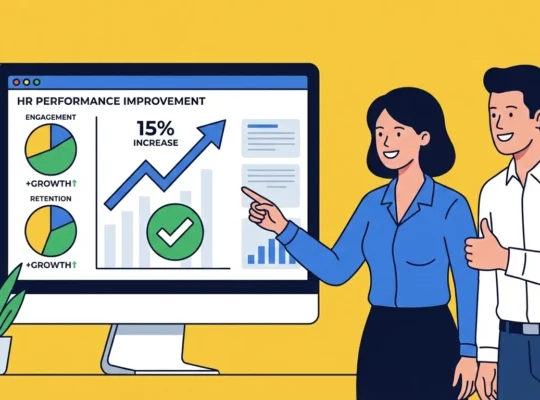



Employee reviews are a cornerstone of effective performance management, serving as a vital tool for both individual and organizational growth. HR professionals are at the forefront of designing and implementing processes that ensure these reviews are fair, accurate, and beneficial. This article serves as a comprehensive guide to employee review forms, providing HR professionals with the knowledge and resources to optimize their review processes and drive employee success.
Why are employee reviews so important? They provide a structured framework for assessing job performance, identifying areas for improvement, and setting clear expectations for future contributions. More than just a formality, these evaluations are a crucial component of a thriving workplace.
Why are employee reviews so important?
Employee reviews hold substantial importance because they offer a structured platform to pinpoint employee Strengths and Weaknesses. Regular evaluations foster a culture of continuous development, enabling employees to refine their Skills and contribute more effectively to the organization’s Goals.
Reviews are instrumental in setting Goals for future performance and development. They provide a clear roadmap for employees, outlining what is expected of them, and how they can achieve their full potential. By establishing clear Objectives, Performance appraisal are a driving force and motivation.
Reviews serve as a formal record of performance for compensation decisions, driving salary increases and promotions. Documentation ensures the process is equitable, transparent, and aligned with performance standards.
A well-conducted review process will, in turn, improve employee engagement and motivation. When individuals feel heard, valued, and supported, they are more likely to be invested in their work and actively contribute to the company’s success. This is achieved by giving employees Feedback.
For legal compliance, these also serve as accurate performance documentation. Comprehensive records protect the organization when it comes to performance management.
Overview of the Employee Review as part of a Larger Performance Management System.
Employee evaluations should be viewed as an integral part of a larger Performance Management system. When implemented effectively, this process drives employee engagement, develops talent, and reinforces organizational Core Values.
Connecting reviews to overall organizational Goals and Objectives is essential. When there is alignment, workers can see how their efforts fuel Organizational growth which results in high Job Performance.
The Role in this performance management is the importance of continuous Feedback, not just formal reviews. Continuous, ongoing discussions between managers and employees create a culture of open communication.
Coaching and mentoring can play a major role in an employee’s Performance Development. Organizations should provide opportunities for workers to gain new Competencies and improve their skills.
Key Benefits of a Well-Designed Review Process:
When reviews and forms are designed correctly, they have numerous positive implications for you, for your employees, and for your company.
Individual goals are aligned with organizational Objectives in a well-designed review. This makes sure that employee efforts are contributing to the overall success of the organization.
Well-designed reviews improve the Areas of Improvement for the employees and the company. These open up opportunities to address weaknesses.
Personal Development Goals are met due to reviews. This builds a stronger team that is committed to career growth.
Employee self-awareness is achieved through self-evaluation. By encouraging workers’ input, this makes them feel valued.
Essential Components of an Effective Employee Review Form
The structure and content of an employee review form significantly influence its effectiveness. Including relevant sections and utilizing a user-friendly design are paramount.
Sections Commonly Found in Employee Review Forms:
There are some standard sections when creating the layout of a Performance review to consider.
- Employee Information: Name, job title, department, Review period. This ensures proper identification and contextualization of the review.
- Self-Assessment: Employee’s perspective on their Performance. This allows them to share their insights, increasing engagement in the evaluation process.
- Key accomplishments and contributions. The work can be highlighted by the worker to provide a thorough picture.
- Areas where they feel they excelled. Encouraging individuals to identify their Strengths fosters self-awareness.
- Areas where they feel they need Development. Honest reflection promotes continuous growth.
- Manager Assessment: Overall Performance Evaluation. This provides a concise summary of the employee’s general performance
- Detailed Comments and Feedback on specific Areas. Specifics give clarity for improvement.
- Evaluation against pre-defined metrics and Expectations. This clarifies how the employee’s performance aligns with set benchmarks.
- Rating Scales: Explanation of different Rating scale types (e.g., numerical, descriptive). Understanding the scales ensures fair and consistent application.
- Consistency in application is key. The application of the scale results in fair comparisons.
- Core Competencies and Skills Assessment: Evaluation of job-specific Skills. This focuses on the technical abilities required for the role.
- Assessment of Core Competencies (e.g., teamwork, communication, adaptability). Evaluating these ensures alignment with company values.
- Goal Setting and Development Plans:
- Setting SMART Goals for the next Review period. This fosters growth and aligns individual efforts with company objectives.
- Outlining Development activities and resources. Workers need direction to reach their next Goal.
- Individual Development Plan (IDP) creation. These outline the steps workers need to fulfill their career and growth aspirations.
- Feedback for Manager and Review Process: Opportunity for employees to provide feedback on their supervisor’s support and the review process itself. This encourages an open and **reflective** work setting.
- Sign-off: Employee and manager sign-off signifying agreement or acknowledgment. This ensures both parties are aligned on the assessment and future steps.
- Tailoring Review Forms to Specific Roles and Company Culture
Generic forms often fall short because they fail to capture the nuances of individual roles and the organization’s distinct Culture. Here is why it’s important to tailor them.
Customizing forms based on Job Responsibilities is pertinent. This ensures that the Evaluation measures contributions of its workers.
Reflecting company Core Values in review criteria is a necessity. This reinforces what is important to the company including sections for:
- Adaptability to change ensures the workforce is prepared to handle evolving business needs. Adaptability promotes innovation.
- Teamwork and collaboration can promote productivity and a positive environment. This section is for the assessment of workers.
- The effectiveness of employees’ interaction with supervisors and colleagues can be promoted through the assessing of Communication skills. This plays a major part in productivity.
- Addressing Behavioral concerns ensures prompt intervention. This builds an equitable work place.
- Workers should be asked about their Career Aspirations. These will give supervisors insight on an individual’s Goals and passions.
- If 360 feedback is incorporated, include sections for Peer Review feedback. This provides a well-rounded Performance Appraisal.
- Make sure to emphasize employee Key Accomplishments and contributions in the form. This can inspire workers.
Designing User-Friendly and Legally Compliant Forms
A well-designed employee review form should be easy to understand, complete, and interpret while adhering to legal standards to ensure validity.
Principles of Good Form Design:
- Easy to understand and fill out. Clear instructions and simple language are essential.
- Clear and concise language avoids confusion. The form avoids jargon so the reader doesn’t struggle to respond.
- Logical structure and flow guides the user through the form. There are no confusing twists or turns when filling out.
- Appropriate length and level of detail is what you want the form to have. Long and short forms can both have negative affects, so keep it in the middle.
Ensuring Legal Compliance:
- Avoiding bias and discrimination ensures fairness. This fosters an inclusive environment.
- Documenting performance consistently is required for fairness. This reduces the risk of legal challenges.
- Complying with federal and municipal Guidelines. This ensures that the organization isn’t breaking ground on the law side.
- Maintaining confidentiality is pertinent. Employees are safe with their data and information.
Implementing and Utilizing Employee Review Forms Effectively
The success of the employee evaluation hinges on how it is implemented and utilized. This involves preparation, effective feedback, and thoughtful review meetings.
Preparing Employees and Managers:
- Communicating the purpose and process of Performance reviews. Transparency is crucial for securing buy-in and reducing anxiety.
- Providing training on how to complete and interpret the forms. This ensures consistency and reduces misunderstandings.
- Emphasizing the importance of honest and constructive Feedback. This fosters a culture of continuous improvement.
The Importance of Feedback:
- Feedback that is specific & actionable, and based on examples helps the worker improve. Providing details provides clarity regarding the problems at hand.
- How to give constructive criticism provides actionable steps. It is important to highlight how to better one’s self.
- Best practices for providing Feedback can foster development. This can encourage continuous efforts.
Conducting Effective Review Meetings:
- Creating a safe and open environment will promote communication. Honest and direct interaction with one another will lead to solutions.
- Actively listening to employee perspectives will make sure the workers are heard. Employee input is very important to a company.
- Focusing on future Development and Improvement is pertinent. This will create continuous training.
- The role of follow-up meetings is to determine the employee performance. These follow-ups will ensure consistent performance.
Tracking Progress and Continuous Improvement:
- Using review data to monitor employee progress toward Goals. Make sure the Goals are being met.
- Regularly reviewing and updating the review process based on Feedback and results ensures continuous Improvement. This will give you the edge to ensure everything is up to date.
Beyond the Form: Incorporating 360-Degree Feedback
To gain a bigger picture, it is best to use the 360 technique.
What is 360-degree feedback?
360 feedback involves getting Evaluation feedback from peers, supervisors, and subordinates. It is essentially the performance evaluation of a worker based on many sources.
The benefits of a more rounded perspective.
A lot of angles are covered when using this feedback technique. It includes input from multiple sources with different perspectives.
How to implement 360-degree feedback effectively.
You should clearly define goals, ensure anonymity, and provide training to all participants. This will increase the honesty and fairness of the review process.
Choosing the Right Employee Review Form for Your Organization
Selecting or creating the optimal review form necessitates careful consideration of your organization’s unique attributes and goals.
Factors to Consider When Selecting a Template:
To make the right choice, one should consider the following.
- Company size and structure determines organizational performance. This will give you insight to what you are working with.
- Industry and specific roles makes sure you aren’t wasting time. This ensures it’s relative to the Goals of the company.
- Performance Management goals need to be met to ensure your product is going far. This will improve productivity.
- Available resources and technology will ensure you perform well in the long run. This will encourage development.
Examples of Different Types of Review Forms:
- Traditional Rating-based forms are used to rate a worker. Ratings can be made from their work.
- Competency-based forms are built on what the employees know. They are assessed by their knowledge.
- Goal-oriented forms will analyze results by the end. These make sure results are met.
- Project-specific forms are designed for project oriented teams. They make sure the project runs as planned.
Building Your Own Template
Leverage the resources you have and customize the functions of the job. Buy-in from the management is important!
By understanding the various types of evaluation forms and their components, HR professionals can streamline the evaluation process and promote continuous improvement. Remember that a well-chosen employee review form is only the beginning.
Frequently Asked Questions (FAQs)
Who should be involved in the employee review process?
Both the employee and their direct manager should actively participate. Depending on the organization’s structure and review process, peers, subordinates, and even clients may also provide feedback, as in the case of 360 Feedback.
What information should be included in an employee review form?
Essential information includes employee details (name, job title, department), a Self-Assessment section, a manager’s evaluation which contains ratings, comments, and examples, Goals and Objectives for the upcoming Review Period, and a section for Development Plans. Some forms also include assessment of Core Competencies, Skills assessments, and Feedback on the manager and review process.
When should employee reviews be conducted?
Many companies conduct Annual review, but Quarterly Reviews or more frequent check-ins provide more timely Feedback and opportunities for adjustment with their job Performance. The frequency should align with the organization’s Performance Management strategy.
Where can I find effective templates for employee review forms?
Templates can be found online through HR software providers, consulting firms, or professional organizations like SHRM. Review examples within this guide can help you build your own Template, too!
Why are employee review forms important?
Forms provide a structured way to document Performance, identify Strengths and Areas for Improvement. Facilitate Performance Management, and document for legal compliance and compensation decisions. When aligned with both Employee Goals and Organizational objectives, they improve employee engagement and drive overall company success.
How can I ensure fairness and consistency in the employee review process?
Provide clear Performance Expectations, train managers on how to use the forms effectively, implement a calibrated Rating System (ensuring consistent application), and regularly review evaluation data to identify and address potential biases.
By following these best practices and regularly reviewing and updating your review processes, you can create a system that drives employee growth, improves performance, and contributes to the overall success of your organization. At Review.jobs, we are dedicated to providing HR professionals with the insights and tools needed to foster a thriving and productive workplace.