


Key takeaways
- Understanding the core elements of employer reputation management (ERM)
- Importance of authentic employee reviews and anonymous feedback collection
- Leveraging AI-powered insights and sentiment analysis for data-driven decisions
- Best practices for handling and moderating online reviews effectively
- Integrating employee reviews into employer branding and talent acquisition strategies
Employer reputation management shapes how companies are perceived by current employees, prospective talent, and the wider market. For strategic HR and employer brand managers, controlling this narrative influences talent acquisition as well as employee engagement and retention. Leveraging employee review management platforms enables organizations to gather authentic employee reviews and implement robust reputation solutions that amplify trustworthiness and employer brand reputation. This article explores effective employer reputation management strategies, from review collection and moderation to AI-driven sentiment analysis, as well as practical guidance on responding to feedback and integrating insights into employer branding tactics. Readers will gain valuable knowledge to strengthen workplace culture insights, improve public employer profiles, and navigate the complexities of online reputation with confidence.
Understanding employer reputation management
Employer reputation management (ERM) encompasses the proactive monitoring and enhancement of a company’s image as an employer. This process involves multiple reputation management elements such as collecting employee feedback, analyzing workplace culture insights, and engaging with public employer profiles to maintain a positive workplace reputation.
Distinguishing ERM from online reputation management (ORM) and SEO clarifies their unique focuses. ORM primarily handles online mentions management and online review management to influence public perception, whereas SEO targets search engine ranking optimization. ERM bridges the gap by integrating employee reviews and social proof to build an authentic employer brand reputation.
The four main elements essential to reputation management include monitoring, which tracks online mentions and employee feedback; analysis, utilizing tools like sentiment analysis to interpret data; strategy development, which plans targeted reputation improvement strategies; and improvement actions, operationalizing responses such as negative review response and culture enhancements.
Collecting and managing authentic employee reviews
Authentic employee reviews function as critical trust-building assets in employer reputation management. They provide firsthand accounts of workplace culture and employee experience, enhancing the employer value proposition (EVP) and reinforcing brand identity to prospective candidates and external stakeholders.
Flexible review collection methods support diverse organizational needs. These include anonymous submissions via secure channels to encourage honest dialogue, scheduled feedback collection campaigns, and open feedback portals integrated into internal communication platforms.
Ensuring anonymity and security in feedback submissions mitigates concerns over transparency and fear of retaliation. Advanced reputation management software often incorporates encryption and strict data privacy protocols to preserve confidentiality and safeguard sensitive employee information.
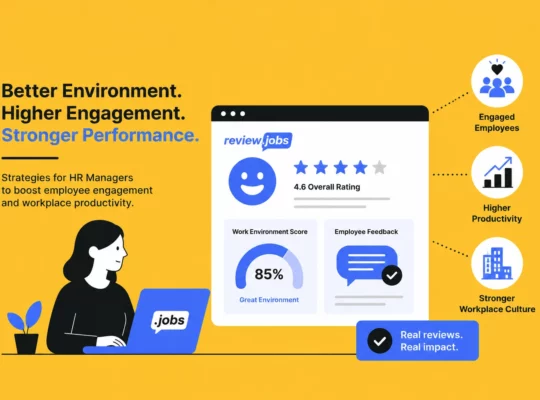
Centralized review management platforms, such as Review.jobs, streamline collection, moderation, and analysis workflows. This centralized approach simplifies data-driven decision making and supports reputation monitoring by providing a single dashboard for all employee reviews and online reputation metrics.
- Anonymous submission portals ensuring confidentiality
- Scheduled feedback campaigns to maintain review frequency
- Integration with internal communication tools for accessibility
- Centralized dashboards for streamlined review moderation
Leveraging AI and sentiment analysis in employer reputation management
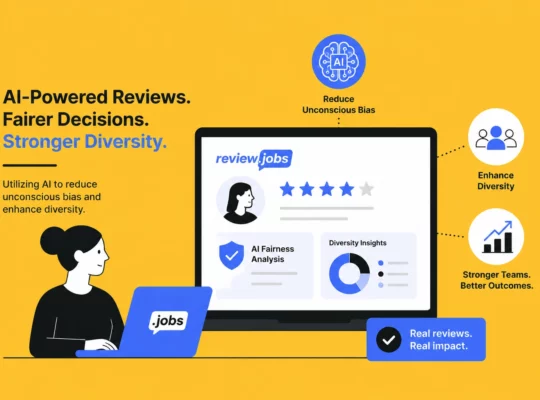
AI-powered insights have transformed employer reputation management. These advanced technologies analyze large volumes of employee feedback to detect trends, highlight cultural strengths, and identify areas requiring attention.
Sentiment analysis plays a pivotal role by extracting nuanced workplace culture insights from textual data. It enables employer reputation specialists to quantify employee sentiment and tailor improvement strategies based on real-time feedback patterns.
Automated review moderation accelerates the identification and filtering of inappropriate or irrelevant content, preserving the integrity of employer branding materials and review transparency. This mechanism reduces the manual workload for HR teams and supports rapid response management.
Data-driven decision making powered by AI insights equips HR managers and employer branding teams with precise information to refine talent acquisition strategies, boost employee retention, and reinforce positive employer reputation scores.
Responding to and managing negative reviews effectively
Constructive responses to negative employee feedback protect and enhance employer brand reputation. Strategic HR practitioners should address feedback promptly, acknowledge concerns with empathy, and communicate planned or ongoing workplace improvements.
Maintaining transparency during these interactions fosters trust building with employees and the public. It demonstrates commitment to continuous improvement without masking the challenges faced, aligning brand messaging with authentic employee experience.
Proactive reputation monitoring enables real-time reputation response capabilities. This immediacy prevents escalation, mitigates reputational risks, and converts potential crises into constructive workplace evolution opportunities.
Negative feedback, when managed effectively, provides actionable insights that fuel reputation improvement strategies. Organizations can leverage this dialogue to refine workplace policies and fortify their employer value proposition.
- Acknowledge concerns promptly with empathetic communication
- Maintain open, transparent dialogue regarding improvements
- Use real-time monitoring to address issues before escalation
- Leverage feedback for continuous culture and policy refinement
Integrating employee reviews into employer branding and talent acquisition
Showcasing authentic employee reviews on public employer profiles and company websites enhances brand credibility and social proof. This visibility amplifies positive workplace narratives and supports a trustworthy employer image.
Social media sharing of employee testimonials and review highlights boosts employer brand visibility while engaging a broader audience. It reinforces online reputation by broadcasting genuine employee experiences.
Aligning employee feedback with brand messaging and the employer value proposition creates a cohesive brand identity that resonates with both current employees and external candidates, improving overall employer brand reputation.
A strong employer reputation positively influences talent acquisition and employee retention by differentiating organizations in competitive markets and crafting compelling employer brand stories that attract aligned professionals.
Benefits of integrating employee reviews into employer branding
| Integration method | Benefit |
|---|---|
| Public employer profiles | Increases transparency and trust |
| Company websites | Enhances brand identity and engagement |
| Social media sharing | Expands reach and social proof |
| Alignment with EVP | Improves candidate attraction and cultural fit |
Tools, costs, and metrics in employer reputation management
Reputation management software solutions, such as those offered by Review.jobs, provide centralized review collection, sentiment analysis, automated moderation, and real-time reputation monitoring features. These tools optimize the efficiency and effectiveness of ERM initiatives.
Costs of implementing employer reputation management vary depending on organizational scale, feature requirements, and customization levels. Expenses typically include subscription fees for reputation management platforms, integration costs, and resources dedicated to review analytics.
Measuring the employer reputation score and engaging with comprehensive review analytics enable organizations to quantify reputation performance and identify actionable trends. Key metrics include sentiment scores, review volume, response times, and employee feedback analysis.
Monitoring online mentions across multiple channels allows for a comprehensive understanding of public perceptions and supports agile response strategies to shape and maintain a positive workplace reputation.
- Centralized review collection and management
- AI-powered sentiment and review analytics
- Automated review moderation systems
- Real-time reputation monitoring dashboards
Frequently asked questions
How much does an ORM typically cost?
The cost of Online Reputation Management (ORM) varies depending on the size of the organization and the complexity of services required. Subscription fees for ORM platforms typically range from a few hundred to several thousand dollars per month, often including features such as review management, sentiment analysis, and social media monitoring. Custom solutions or enterprise-level plans may involve higher investments.
What are the four elements of reputation management?
The four elements of reputation management consist of monitoring, analysis, strategy development, and improvement actions. Monitoring tracks online mentions and employee feedback; analysis interprets data through tools like sentiment analysis; strategy development forms plans to enhance reputation; and improvement actions implement responses and workplace enhancements.
What is the difference between SEO and ORM?
Search Engine Optimization (SEO) focuses on optimizing website content and structure to improve search engine rankings and visibility. Online Reputation Management (ORM), however, centers on managing online reviews, social media mentions, and public perceptions to maintain a positive brand image. While SEO builds discoverability, ORM protects and improves public trust.
What are the 4 pillars of employer branding?
The four pillars of employer branding include brand identity, employee value proposition (EVP), employee experience, and external communications. Brand identity defines how the company presents itself; EVP articulates the unique benefits employees receive; employee experience reflects workplace culture; and external communications convey the brand message publicly.
How can companies collect honest employee reviews?
Companies can collect honest employee reviews by implementing anonymous and secure submission methods, encouraging open feedback culture, providing multiple collection channels such as surveys or portals, and ensuring confidentiality protections. These practices promote trust and reduce fears of retaliation, resulting in more authentic feedback.
Why is sentiment analysis important for employer reputation management?
Sentiment analysis is crucial because it transforms qualitative employee feedback into quantifiable data, revealing positive, neutral, or negative sentiments that depict workplace culture. This insight aids HR teams in identifying strengths and challenges, enabling targeted improvements that enhance employer reputation and employee engagement.
How does managing online reviews improve employer brand?
Managing online reviews improves employer brand by providing a platform for transparent dialogue between employers and employees, building social proof that attracts talent, and allowing organizations to address concerns proactively. Effective review moderation and timely responses showcase commitment to continuous improvement and uphold a trustworthy reputation.
What tools are available for employer reputation management?
Available tools for employer reputation management include centralized review management platforms, automated review moderation systems, AI-powered sentiment analysis software, real-time reputation monitoring dashboards, and integration modules for social media and public employer profiles. Review.jobs offers a comprehensive solution encompassing many of these features.
How can negative reviews be effectively managed?
Negative reviews can be effectively managed by responding promptly with empathetic and transparent communication, acknowledging issues, outlining remedial actions, and demonstrating commitment to workplace improvements. Utilizing real-time reputation monitoring and automated moderation helps mitigate risk and maintain a positive employer brand reputation.
What role does employee feedback play in building employer reputation?
Employee feedback serves as the foundation for building employer reputation by providing authentic insight into workplace culture and employee experience. Genuine reviews and comments lend credibility to the employer brand, foster trust with prospective candidates, and guide strategic improvements that enhance talent attraction and retention.
How can employer reputation management aid talent acquisition?
Employer reputation management aids talent acquisition by promoting a positive and authentic employer brand that attracts top candidates. Showcasing verified employee reviews and transparent feedback signals a trustworthy workplace, while expert handling of negative feedback prevents reputational damage that could deter talent.
What methods ensure anonymity and security in employee review submissions?
Methods ensuring anonymity and security include encrypted submission portals, anonymized data aggregation, secure access controls, and adherence to data privacy regulations. Using platforms with built-in safeguards encourages candid feedback and protects employee identities throughout the review process.
How can social media be leveraged in employer reputation management?
Social media can be leveraged by sharing authentic employee testimonials, promoting positive reviews for social proof, engaging with feedback publicly, and amplifying employer branding campaigns. Active social media presence supports online reputation monitoring and enhances visibility among potential candidates.
What are best practices for review moderation in ERM?
Best practices include implementing automated moderation tools to filter inappropriate content quickly, establishing transparent moderation policies, balancing review transparency with content integrity, and training reviewers to identify genuine feedback. Effective moderation ensures the reliability of reviews and protects employer reputation.
Final thoughts
Proactive employer reputation management delivers a competitive edge by fostering trust, transparency, and authenticity throughout the employee lifecycle. Strategic HR and employer brand managers who harness authentic reviews, AI-powered insights, and centralized reputation platforms like Review.jobs position their organizations as employers of choice. Integrating comprehensive ERM practices tightly into talent acquisition and retention strategies strengthens workplace culture, improves public employer profiles, and drives lasting reputation improvement.