


Key takeaways
- Brand reputation defines public perception and significantly impacts business success and talent acquisition.
- Employee reviews are a vital asset in shaping authentic and positive brand reputation.
- Proactive reputation management includes monitoring, transparent communication, and swift response to feedback.
- AI-powered sentiment analysis and centralized review management enhance data-driven decision-making.
- Integrating employer branding with overall brand reputation strengthens employer attractiveness and competitive advantage.
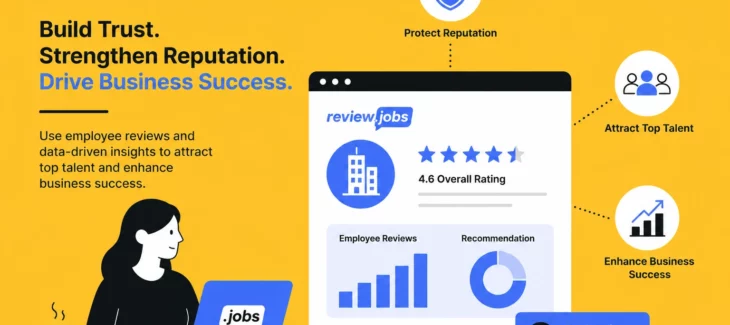
Brand reputation plays a critical role in shaping public perception and can be a decisive factor for workforce attraction and retention. For strategic HR leaders, understanding and managing this intangible asset is essential for sustaining competitive advantage. Brand reputation represents how a company is perceived and evaluated based on experiences, communications, and interactions across multiple touchpoints. Review.jobs empowers HR professionals by providing a sophisticated platform to harness employee reviews and transform internal feedback into actionable strategies that enhance brand value and authenticity. This guide explores the multifaceted nature of brand reputation, outlining practical approaches for gathering authentic feedback, leveraging AI-driven sentiment analysis, and integrating employer branding to build a resilient and trustworthy employer brand.
Understanding brand reputation and its impact
Brand reputation is the collective public perception and evaluation of a company, shaped by experiences, communications, and interactions over time. It reflects the degree of trust and confidence stakeholders place in a brand, influencing business reputation and overall brand equity.
Key factors impacting brand reputation include product and service quality, consistency in customer experience, the internal culture reflected through employee engagement, and the brand’s activity within social media channels. These elements converge to form a holistic brand image visible to customers, prospects, and partners.
A robust brand reputation fosters customer trust and loyalty, offering a competitive advantage in saturated markets. It enhances brand awareness and contributes to long-term business value, affecting sales, partnerships, and recruitment efforts. Conversely, poor brand reputation can rapidly erode brand trust and create significant reputation risks that challenge recovery.
- Product and service quality
- Customer experience and responsiveness
- Employee culture and engagement
- Public relations and crisis management
- Social media impact and online reputation
Challenges in managing brand reputation for HR leaders
HR leaders often encounter difficulties addressing negative employee reviews that harm brand perception. Ensuring authenticity while safeguarding anonymity during feedback collection remains a complex balancing act, crucial to maintain employee trust and encourage candid responses.
Extracting actionable insights from vast amounts of employee reviews and feedback requires sophisticated tools for sentiment analysis and reputation monitoring. Without this, companies risk reactive rather than proactive reputation management, losing control over narrative and brand consistency.
The proliferation of review platforms and social media magnifies reputation risks, allowing both positive and negative sentiments to spread quickly on a global scale. Managing online reputation across multiple channels, coordinating response efforts, and conducting review moderation are ongoing challenges that demand dedicated resources and strategic oversight.
Strategies and best practices to build and protect brand reputation
Establishing transparent communication is foundational to maintaining brand authenticity and nurturing brand trust. Regular, consistent messaging that aligns with corporate values fosters brand consistency, reinforcing public perception with clarity and honesty.
Implementing feedback collection techniques that guarantee anonymity encourages genuine employee contributions, increasing the breadth and depth of insights. Utilizing trusted review platforms and centralized review management systems ensures feedback is managed efficiently and securely.
Active reputation monitoring, combining AI-driven sentiment analysis with human oversight, allows rapid detection of reputation risks and opportunities. Responsive crisis management complemented by transparent communication repairs damaged brand image while safeguarding brand equity in critical moments.
A data-driven decision-making approach supports continuous improvement by analyzing trends, sentiment scores, and reputation metrics. This empowers HR leaders to refine employer branding initiatives and calibrate strategies that enhance brand value and positive public perception.
- Maintain transparent and consistent communication
- Use anonymous, secure feedback collection methods
- Leverage centralized review management platforms
- Apply AI-powered sentiment analysis for reputation monitoring
- Respond promptly with transparency to negative feedback
- Implement continuous data-driven decision-making
Integrating employer branding with brand reputation to attract talent
Strong employer branding amplifies overall brand reputation by showcasing a company’s commitment to employee experience and culture. Positive employee reviews act as authentic endorsements that boost employer attractiveness and reinforce brand authenticity to candidates.
Showcasing these insights through public employer profiles and social media integration elevates brand awareness and creates a consistent, compelling narrative around brand trust and business reputation. Candidate experience, enhanced through transparent communication and visible commitment to employee well-being, strengthens the talent pipeline.
Organizations benefit from seamless integration of review data across corporate websites, social media channels, and recruitment platforms. This integrated strategy creates a unified brand image that leverages employee feedback as a strategic asset, contributing directly to reputation repair and reputation score improvement.
Comparison of brand reputation management tools and benefits
| Tool type | Primary function | Key benefit |
|---|---|---|
| Review platforms | Collect employee and customer feedback | Authentic insights for branding |
| Sentiment analysis software | Analyze feedback sentiment | Data-driven reputation monitoring |
| Review moderation systems | Manage review authenticity | Prevent misinformation spread |
| Social media management tools | Monitor online conversations | Control social media impact |
| Centralized review management | Aggregate multi-channel reviews | Streamline feedback response |
Frequently asked questions
What is meant by brand reputation?
Brand reputation refers to the collective public perception and evaluation of a company based on its communications, interactions, and overall experience delivered to stakeholders.
How do you describe brand reputation?
Brand reputation is the measurement of trust and respect a brand commands in the market, reflecting how customers, employees, and partners view the company’s reliability and value.
Why is brand reputation important for businesses?
A strong brand reputation builds customer trust and loyalty, creates competitive advantage, attracts top talent, influences investor confidence, and enhances brand value.
How can companies build and protect their brand reputation?
Companies can build and protect brand reputation through transparent communication, consistent brand messaging, proactive reputation monitoring, authentic feedback collection, and swift, transparent responses to issues.
What factors affect brand reputation?
Key factors include product and service quality, customer experience, employee culture, public relations, social media presence, and how effectively a company manages crises.
What role does social media play in brand reputation?
Social media amplifies brand messaging and feedback at high speed and scale, influencing online reputation significantly by spreading sentiment, positive or negative, across broad audiences.
How quickly can a brand reputation be damaged or repaired?
Brand reputation can be damaged within hours due to negative events or reviews. Repairing a damaged reputation takes longer and requires consistent transparent communication and effective crisis management.
How to measure and analyze brand reputation?
Measuring brand reputation involves monitoring online reviews, sentiment analysis, reputation score tracking, feedback from stakeholders, and analyzing trends across review platforms and social media.
What strategies can be used for reputation management?
Effective strategies include transparent communication, proactive reputation monitoring, review moderation, crisis management, authentic feedback collection, and data-driven decision-making.
What is the connection between employer branding and brand reputation?
Employer branding directly influences brand reputation by reflecting company culture and employee experience publicly, which attracts talent and shapes overall public perception.
How can employee reviews impact brand reputation?
Employee reviews provide authentic insights into a company’s culture and environment, shaping external brand perception and influencing potential candidates and customers.
What are the best practices for maintaining a positive brand reputation?
Best practices include fostering transparent and consistent communication, ensuring anonymous feedback collection, responding promptly and genuinely to feedback, leveraging data-driven insights, and integrating employer branding with overall reputation strategies.
Final thoughts
For HR leaders, brand reputation represents a decisive strategic asset influencing business success and workforce quality. Authentic employee feedback coupled with advanced data-driven tools unlocks powerful insights to build transparency, trust, and resilience. Platforms like Review.jobs empower organizations to harness these resources effectively, transforming employee reviews into a beacon of brand authenticity that attracts talent and secures competitive advantage.