


Key takeaways
- Understand the critical importance of leadership performance reviews in driving organizational success.
- Learn key leadership qualities and competencies to evaluate effectively.
- Explore practical methods for collecting and analyzing honest 360-degree leadership feedback.
- Discover how AI, sentiment analysis, and automated moderation improve leadership review accuracy and fairness.
- Understand how to integrate leadership reviews into broader talent management and employer branding strategies.
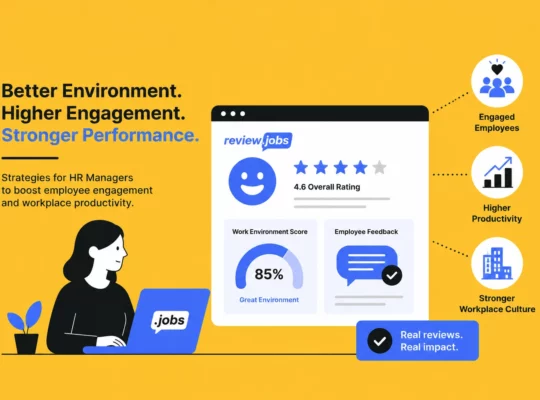
Leadership performance review is a pivotal process for Strategic HR Leaders seeking to elevate leadership effectiveness and accountability within their organizations. It involves systematically evaluating leadership skills, competencies, and impact on business outcomes to drive continuous improvement. Platforms like Review.jobs empower HR professionals by offering authentic employee reviews and comprehensive data-driven leadership insights that help refine leadership development strategies. This guide explores how to conduct effective leadership performance reviews, select relevant metrics, leverage anonymous 360-degree leadership feedback, and utilize advanced technologies such as sentiment analysis and automated review moderation. By aligning leadership evaluation with organizational goals, HR leaders can foster constructive leadership feedback, build robust employer branding, and ultimately enhance overall talent management.
Why leadership performance reviews matter for organizational success
High-quality leadership fundamentally influences employee engagement, retention, and productivity. Leaders set the tone for workplace culture, making the evaluation of leadership performance a strategic imperative. Effective leadership performance reviews provide objective insight into leadership strengths and areas needing development, fostering accountability and continuous improvement.
Leadership reviews directly affect organizational outcomes by identifying leadership gaps that may hinder team morale or innovation. By incorporating fair leadership assessment methods, companies ensure that leaders are held to consistent standards aligned with business objectives and values.
The connection between leadership evaluation and employer branding cannot be overstated. Transparent and constructive employee reviews for leadership create a positive public employer profile that attracts top talent and enhances reputation through social media sharing and public endorsements.
Core leadership competencies and assessment criteria
A robust leadership performance review centers on evaluating *leadership competencies* such as communication skills, decision-making ability, integrity, and emotional intelligence. These core qualities of great leaders directly impact team dynamics and organizational success.
Assessment criteria commonly include the 5 P’s of leadership: Purpose, Principles, People, Performance, and Personal development. This framework guides HR leaders to holistically appraise leadership effectiveness beyond traditional metrics.
Incorporating specific leadership skills performance review items ensures clarity and uniformity. Examples include evaluating the leader’s capacity for strategic vision, adaptability, conflict resolution, and motivation of others.
- Communication and active listening
- Strategic decision-making
- Integrity and ethical behavior
- Emotional intelligence and empathy
- Ability to inspire and motivate
- Conflict management and problem-solving
- Commitment to leadership development goals
Designing an effective leadership performance review process
Designing an effective leadership performance review begins with creating a structured leadership evaluation form tailored to leadership roles. Such forms should capture both quantitative and qualitative data, incorporating performance review phrases and leadership performance feedback examples to standardize responses.
A critical element of the process is integrating 360-degree leadership feedback. Collecting anonymous feedback from peers, direct reports, and supervisors enhances the reliability of reviews by reducing bias and promoting honest employee feedback on leadership.
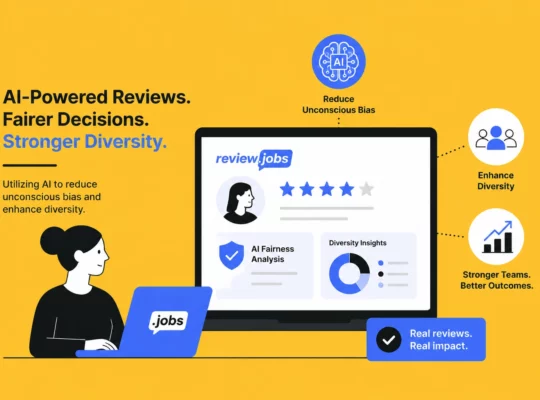
Advancements in technology, such as automated review moderation and sentiment analysis in leadership reviews, bolster the process by identifying patterns in feedback, flagging inconsistencies, and ensuring fair leadership assessment. These data-driven leadership insights enable HR teams to make informed decisions regarding leadership development.
- Develop leadership review phrases pdf templates for consistency
- Ensure anonymous review submission to encourage candor
- Leverage centralized performance management systems for data consolidation
- Use technology tools for automated moderation and sentiment analysis
- Schedule regular review cycles aligned with organizational goals
Delivering and using leadership performance feedback
Delivering leadership performance feedback requires balancing recognition of effective leadership qualities with constructive leadership feedback to encourage growth. Utilizing clear examples of good leadership feedback helps managers communicate strengths and areas requiring improvement with precision and sensitivity.
Feedback sessions should foster dialogue, allowing leaders to reflect, ask questions, and co-create leadership development goals. This collaborative approach enhances accountability and reinforces commitment to continuous performance improvement.
Effective performance review examples for leaders include highlighting achievements in strategic initiatives, empathy in team management, and measurable improvements in team productivity. Providing actionable recommendations supports leaders in advancing their skillsets and impact.
- Use specific, behavior-based feedback aligned with leadership competencies
- Highlight examples of effective leadership qualities demonstrated
- Address areas for improvement with actionable suggestions
- Incorporate feedback from 360-degree reviews for a well-rounded perspective
- Follow-up with progress tracking and development plans
Integrating leadership reviews into talent and employer branding strategies
Centralized performance management systems facilitate efficient aggregation and analysis of leadership review data. This enables HR leaders to seamlessly connect leadership evaluation outcomes with broader talent management initiatives such as succession planning and leadership pipeline development.
Prominently showcasing leadership excellence through public employer profiles and social media sharing enhances the company’s employer brand. Transparent communication of leadership performance improvement efforts signals organizational commitment to fostering effective leadership.
Demonstrating the ROI and organizational impact of leadership development programs becomes compelling when combined with data-driven insights from leadership reviews. This supports resource allocation and strategic decision-making that advances overall business goals.
Comparison of leadership review integration benefits
| Integration Aspect | Benefit |
|---|---|
| Centralized performance management | Streamlined data collection and analysis |
| Public employer profiles | Attraction of top talent through transparency |
| Social media sharing | Enhanced employer branding and reputation |
| ROI demonstration | Informed leadership development investments |
Frequently asked questions
What is an example of a good leadership feedback?
A good leadership feedback example might be: ‘You demonstrate strong communication skills by clearly articulating project goals and actively listening to team concerns, which fosters collaboration and trust.’ This combines specific leadership qualities and practical impact.
What are the 5 P’s of leadership?
The 5 P’s of leadership are Purpose, Principles, People, Performance, and Personal development. This framework helps evaluate leaders holistically by considering their vision, ethics, team management, results, and commitment to growth.
What are the 7 leadership qualities of great leaders?
Great leaders exhibit qualities such as integrity, vision, effective communication, empathy, decisiveness, accountability, and adaptability. These traits collectively contribute to inspiring teams and driving organizational success.
What is an example of a good performance review?
A good performance review clearly outlines accomplishments, acknowledges strengths, identifies development areas, and sets actionable goals. For example, ‘You successfully led the cross-functional project, improving delivery speed by 20%. Enhancing your delegation skills will further empower your team.’
How can leadership performance be objectively measured?
Leadership performance can be objectively measured using standardized evaluation forms, 360-degree feedback, key performance indicators linked to business outcomes, and data-driven analysis through sentiment analysis and automated moderation.
What are effective methods for collecting leadership reviews?
Effective methods include anonymous review submission from multiple sources (peers, subordinates, supervisors), structured surveys with leadership review phrases, 360-degree feedback tools, and integrating centralized performance management platforms.
How to handle negative feedback about leadership in performance reviews?
Negative feedback should be addressed with constructive leadership feedback techniques by focusing on specific behaviors, encouraging open dialogue, supporting development plans, and ensuring feedback anonymity to protect employee candor.
What role does emotional intelligence play in leadership performance?
Emotional intelligence enables leaders to perceive, understand, and manage their own emotions while empathizing with others. This quality improves decision-making, conflict resolution, and team engagement, making it a critical leadership competency.
How can data-driven insights improve leadership evaluations?
Data-driven insights derived from sentiment analysis and automated review moderation provide objective patterns and reduce bias. Such insights enable more accurate assessments, highlight trends, and inform targeted leadership development strategies.
What are common criteria to assess leadership skills?
Common criteria include communication effectiveness, decision-making capability, integrity, emotional intelligence, strategic vision, team motivation, and adaptability. These form the basis for a fair and comprehensive leadership skills performance review.
Final thoughts
Structured and unbiased leadership performance reviews unlock valuable insights that empower HR leaders to elevate organizational leadership effectiveness. By leveraging data-driven leadership insights, adopting anonymous and comprehensive feedback methods, and aligning evaluation outcomes with broader talent strategies, HR professionals can drive impactful leadership development. Platforms like Review.jobs play a crucial role by providing authentic employee reviews and advanced analytical tools that simplify leadership assessments and enhance employer branding through transparent public employer profiles.